How Insurance Costs Shape Manatee County Homebuying
November 27, 2025
November 27, 2025
Is the insurance line on your monthly budget the detail that decides where you can buy in Manatee County? You are not alone. In our coastal market, wind and flood risk directly affect premiums, financing, and long‑term affordability. In the next few minutes, you will learn how insurance shapes your options, what to check early, and how to negotiate smartly so you can buy or sell with confidence. Let’s dive in.
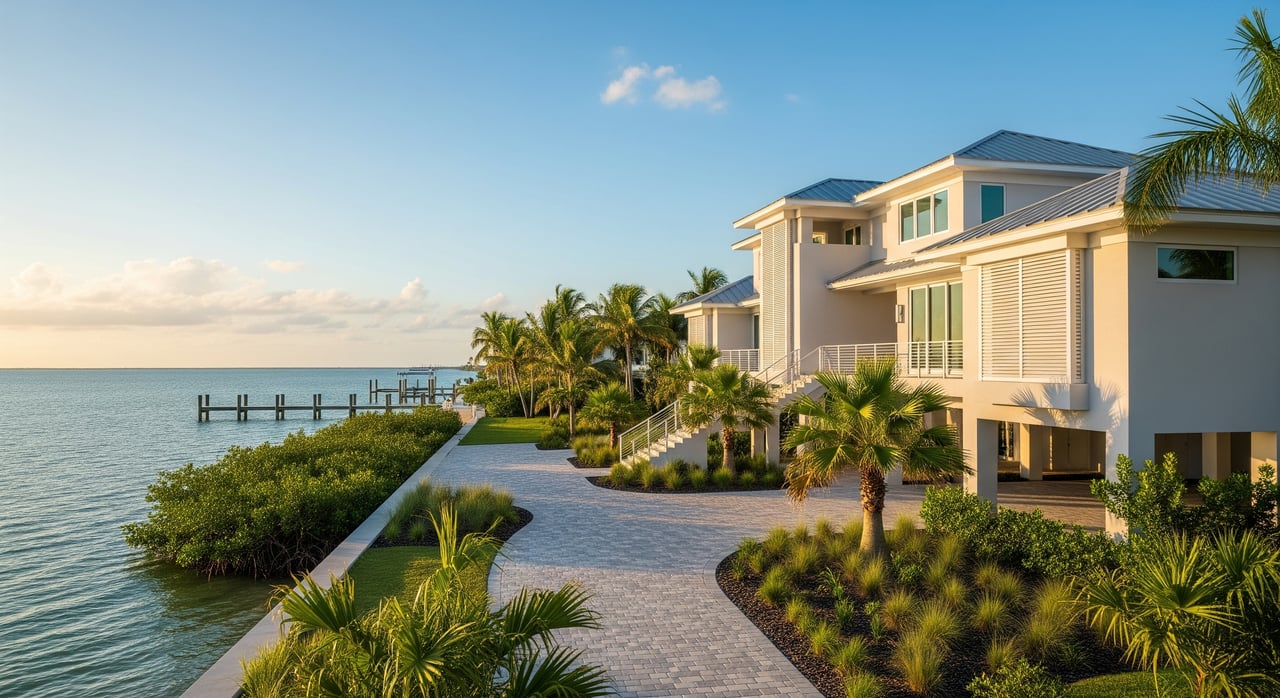
Manatee County sits on the Gulf and Tampa Bay, with low elevations and barrier‑island exposure. That setting brings lifestyle perks, but it also means wind and flooding are key risks that insurers price into your premium. Lenders typically require hazard coverage and, when applicable, flood insurance before closing, so your ability to secure a policy often determines if a deal can move forward.
Insurance is not a one‑time cost. It is a recurring line item that affects your monthly payment alongside principal, interest, and taxes. Higher premiums shrink purchasing power and can shift which neighborhoods fit your budget.
Your homeowner policy protects the dwelling, other structures, personal property, and liability, subject to your policy terms. In Florida, many policies include a separate hurricane or named‑storm deductible. This is usually a percentage of the dwelling limit, commonly 1 to 5 percent, which can be a large out‑of‑pocket amount if a storm triggers a claim.
Premiums depend on replacement cost, construction type, roof age and certification, claims history, mitigation features like impact windows, and distance to the coast. Underwriting rules vary by carrier.
Some carriers carve out wind risk in high‑exposure areas or apply wind‑specific deductibles. Florida insurers use wind mitigation credits for documented features such as roof shape, roof‑to‑wall connections, secondary water resistance, and protected openings. Having a wind‑mitigation inspection and roof certification can produce meaningful premium reductions.
Standard homeowner policies do not cover flooding. If the property falls within a FEMA Special Flood Hazard Area, lenders typically require flood insurance. You can insure through the National Flood Insurance Program or private flood carriers. NFIP pricing is moving toward risk‑based rates. Private policies may offer different coverage and, for some homes, lower premiums, though availability depends on property specifics.
Flood premiums hinge on your flood zone, the building’s elevation relative to the Base Flood Elevation, foundation type, loss history, and whether the community participates in FEMA’s Community Rating System. An elevation certificate can materially change your quoted rate.
When private carriers limit coverage or raise rates, some buyers turn to Citizens, Florida’s insurer of last resort. Citizens’ eligibility and pricing influence the broader market and can impact timelines and budgets. You can review current eligibility and product information on the Citizens website.
Florida insurers buy reinsurance, and the cost of that protection affects your premium. Legislative changes and claim trends also play a role in underwriting strictness and pricing. To stay informed, you can monitor consumer updates and market reports from the Florida Office of Insurance Regulation.
Lenders include your insurance premium in debt‑to‑income calculations. A higher annual premium means a higher escrowed monthly cost, which can reduce the loan amount you qualify for. The same list price can feel very different when one home carries a significantly higher premium than another.
You need bindable insurance before closing. If a carrier declines to quote, requires extra inspections, or delays underwriting, your closing can slip. Start quotes early in the inspection period to avoid surprises. Older roofs and prior claims often invite additional review, so plan time for roof certifications and documentation.
Insurance costs often show up in negotiations. Buyers may request seller credits, roof replacements, or documentation like wind‑mitigation or elevation certificates to reduce ongoing premiums. Sellers who prepare these items in advance can protect timelines and preserve net proceeds.
Areas with higher wind or flood exposure can face larger premium swings after storms, which influences buyer demand and resale value. When you compare neighborhoods, consider not just current premiums but also how elevation, roof age, and mitigation features may affect future insurability.
Each tool supports a specific due‑diligence step. Use them alongside inspections and quotes from licensed insurance professionals.
You want a team that understands both lifestyle goals and underwriting realities. We coordinate your insurance due diligence with the same care we bring to pricing, negotiation, and closing. From identifying properties with strong mitigation to arranging the right inspections and documentation, we help you avoid last‑minute surprises and keep your transaction on track.
Whether you are comparing master‑planned neighborhoods or exploring barrier‑island condos, we guide you through tradeoffs between location, construction type, and insurability. Ready to align your move with a clear insurance plan? Request your white‑glove consultation with The VanDuren Group.
Links referenced:

Real Estate Professional
Sheryl VanDuren is a top luxury real estate specialist serving Wellen Park, Lakewood Ranch, and Sarasota’s surrounding areas. With eight years of experience and recognition among Coldwell Banker's Top 3% Global Realtors, she provides expert guidance and a stress-free buying or selling experience. Her background in home staging and deep local knowledge make her a trusted resource for clients. When not helping buyers and sellers, she enjoys spin biking, interior design, and community involvement.
Stay up to date on the latest real estate trends.




Looking to buy, sell, or just have a question? We are always available to help and would love to work with you. Contact us today to find out how we can be of assistance to you!