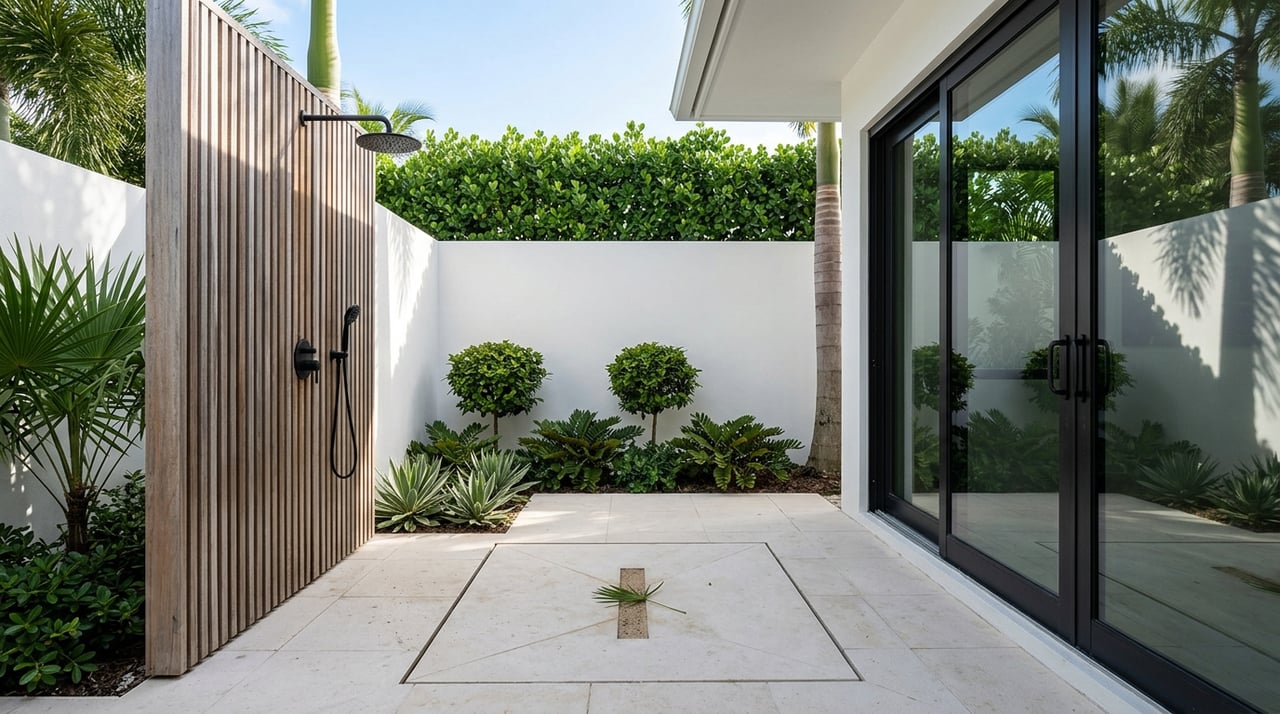
What Everyday Life On Anna Maria Island Really Looks Like
July 23, 2026
July 23, 2026
If you are picturing Anna Maria Island as one long vacation, you may be missing what daily life actually feels like here. For people considering a move, a second home, or a seasonal property, the biggest question is usually not just what the beaches look like, but what an ordinary Tuesday feels like. This guide gives you a realistic look at the pace, routines, housing mix, and community rhythm in Anna Maria so you can decide whether the lifestyle fits what you want. Let’s dive in.
Daily life in Anna Maria tends to feel calmer than many Florida beach destinations. The City of Anna Maria describes itself as a residential community on the north end of the island, known for a laid-back lifestyle, beaches, and a strong connection to local wildlife.
That quiet feel makes sense when you look at the city’s size and population. Anna Maria has about 765 residents in roughly 0.7 square miles, and the median age is 63.6. In practical terms, that often translates to a slower pace, less intensity, and a more residential atmosphere than a typical coastal resort area.
The island itself also has distinct pockets. The city identifies Holmes Beach as the commercial center, while Bradenton Beach tends to be more visitor-oriented. If you are spending time in Anna Maria proper, you are usually getting a more tucked-away, residential feel.
On Anna Maria, nature is not just part of the backdrop. It is part of how people live. The city notes that the entire city is a bird sanctuary, and dolphins, manatees, and nesting loggerhead turtles are part of the local environment.
That matters because daily habits here often reflect a conservation-minded setting. Beach behavior, outdoor lighting, and cleanup are treated seriously, which helps preserve the natural character that draws people here in the first place.
If you are thinking about living on the island, this is part of the tradeoff and part of the appeal. You get a beautiful coastal setting, but you also need to respect the rules and routines that help protect it.
One of the more practical surprises about everyday life on Anna Maria Island is that you do not always need to rely on your car. The free Anna Maria Island Trolley runs every day of the year from 6:00 a.m. to 10:30 p.m. along Gulf Drive, connecting the Anna Maria Island City Pier to Coquina Beach about every 20 minutes.
For daily errands, meals, or beach stops, that can make short trips simpler. MCAT also notes that buses and trolleys have bike racks, and fixed-route buses connect with the island trolley, which adds another layer of convenience for getting on and off the island.
That said, parking rules are part of island life too. The city states that parking laws are strictly enforced, so residents and visitors alike need to stay aware of where and how they park.
Living near the beach sounds carefree, but Anna Maria keeps its shoreline orderly. The city prohibits dogs, alcohol, glass, grills, bicycles, and motorized vehicles on the beach. Beach furniture, equipment, and trash must also be removed each day.
These rules help explain why the beaches often feel clean, low-key, and well cared for. Instead of an anything-goes atmosphere, the experience is more structured and respectful of the environment.
Noise is managed in a similar way. The city enforces noise ordinances, including quiet hours for pools, spas, and hot tubs from 10 p.m. to 8 a.m. If you are hoping for a peaceful setting, that is an important part of what supports the island’s overall feel.
Even in a destination known for visitors, Anna Maria has recurring routines that feel community-based. One clear example is the Anna Maria Farmers Market, which the city says runs on Tuesdays from 8:30 a.m. to 2:00 p.m.
There is structure around it too. Vendor vehicle access is restricted after setup, and the market area becomes pedestrian-only from 8:00 a.m. to 2:00 p.m. That creates a distinct midweek rhythm that feels more like local life than a temporary vacation scene.
This matters if you are considering a move or second home because it shows the island has recurring touchpoints beyond beach time. You are not just buying access to the water. You are buying into a certain pace and pattern of living.
Another important part of everyday life is The Center of Anna Maria Island. It functions as a true community hub, serving children, teens, families, adults, and seniors through the year.
Its programming includes fitness classes, tennis, pickleball, sports fields, camps, socials, lectures, and workshops. That range of activity helps support a fuller lifestyle than people sometimes expect from a small barrier-island community.
For many buyers, this is a meaningful detail. A place can be beautiful, but daily life works better when there are steady ways to stay active, connected, and engaged.
Anna Maria Island is not busy in the same way a major city is busy, but it does maintain a reliable calendar of events. According to the local chamber, there is at least one event each month, along with annual festivals, recurring markets, concerts, parades, and holiday celebrations.
That steady event flow helps give the island continuity outside peak tourist periods. If you are considering full-time or seasonal living, it suggests there is more going on than just high-season activity.
For many homeowners, that balance is part of the appeal. You get a quieter setting without giving up regular opportunities to get out and participate in the community.
If you prefer large shopping corridors and major retail clusters, Anna Maria may feel limited. Dining and shopping here are concentrated in smaller areas rather than spread across major commercial strips.
The city identifies Holmes Beach as the island’s commercial center. The chamber also points to places like Pine Avenue in Anna Maria, Gulf Drive, Bridge Street, and shopping areas in Holmes Beach for restaurants, cafes, and local shops.
In everyday terms, that means your options are more curated and local in feel. Many people see that as part of the island’s charm, especially if they want a community that feels distinct rather than overbuilt.
From a housing perspective, Anna Maria is shaped by low-density residential patterns. The city’s zoning code includes single-family and two-family residential districts, along with limited commercial, office, public, recreation, and conservation uses.
That framework reinforces the idea that this is not a high-density beach town. It is a place where residential use still plays a central role in the physical layout and feel of the community.
The housing stock reflects that too. Census data show that about 91% of homes are single-unit structures, which supports the area’s low-rise, residential character.
Anna Maria is not purely a full-time residential neighborhood, and it is not purely a vacation market either. The city notes that many property owners are part-time residents, and the local code specifically regulates vacation rentals in residential districts.
That tells you something important about daily life. The community blends full-time residents, second-home owners, and seasonal users, so the island has a different rhythm than a typical year-round suburban neighborhood.
For buyers, that mix can be either a benefit or a consideration depending on your goals. If you want a second-home market with a strong coastal identity, that pattern may feel like a natural fit. If you want a more traditional full-time neighborhood dynamic, it is worth understanding that Anna Maria functions differently.
Lifestyle and housing character on Anna Maria are closely tied to pricing. Census Reporter’s 2024 ACS profile shows a median owner-occupied home value of about $1.36 million.
That figure helps frame the market realistically. Buyers are often entering a location where scarcity, coastal setting, and housing type all influence value.
If you are exploring Anna Maria for a primary home, second home, or seasonal property, it helps to evaluate not just the listing price but also how the island’s rules, housing mix, and daily pace align with your long-term goals.
In simple terms, everyday life on Anna Maria looks more residential, structured, and nature-aware than many people expect. It is quiet by comparison, shaped by beach rules, trolley access, local gathering spots, and a small-scale commercial footprint.
It is also a market with a clear mix of full-time and part-time ownership, low-density housing, and a strong sense of place. For the right buyer, that can be exactly the point.
If you are thinking about buying on Anna Maria Island, relocating to the Gulf Coast, or looking for a second-home property that matches your lifestyle goals, working with a team that understands both the numbers and the day-to-day reality can make the process much smoother. For personalized guidance, relocation insight, and concierge-level support, connect with The VanDuren Group.

Real Estate Professional
Sheryl VanDuren is a top luxury real estate specialist serving Wellen Park, Lakewood Ranch, and Sarasota’s surrounding areas. With eight years of experience and recognition among Coldwell Banker's Top 3% Global Realtors, she provides expert guidance and a stress-free buying or selling experience. Her background in home staging and deep local knowledge make her a trusted resource for clients. When not helping buyers and sellers, she enjoys spin biking, interior design, and community involvement.
Stay up to date on the latest real estate trends.
Looking to buy, sell, or just have a question? We are always available to help and would love to work with you. Contact us today to find out how we can be of assistance to you!