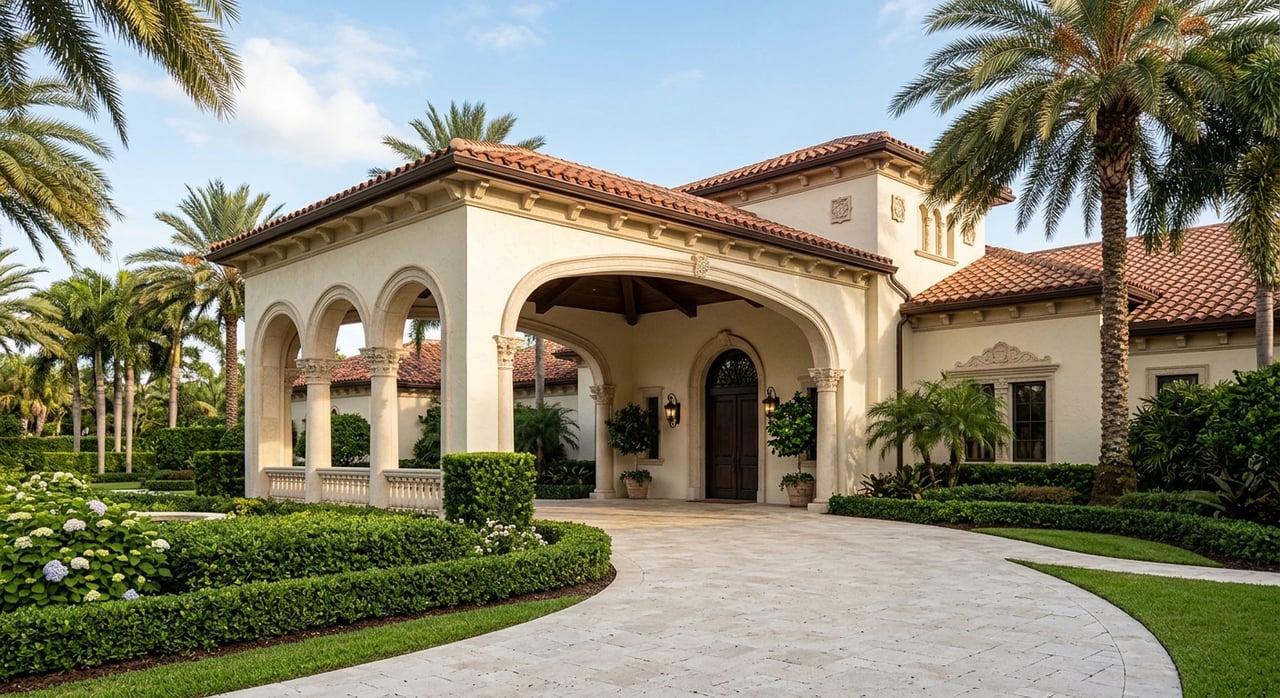
Amenity-Rich Communities In Venice: How To Compare Your Options
June 18, 2026
June 18, 2026
Wondering which amenity-rich community in Venice actually fits your life, not just your wishlist? It is easy to get pulled in by resort-style pools, golf access, and glossy clubhouse photos, especially when several communities offer strong lifestyle packages. The key is to compare what you will really use, what you will really pay, and how the community supports your day-to-day routine. Let’s break down how to compare your options with more clarity and confidence.
In Venice, an amenity-rich community usually means the home comes with a lifestyle layer built around shared features and services. That can include gates, trails, pools, clubhouses, fitness centers, sports courts, dining, social programming, and golf.
The Venice area offers several versions of that model. Wellen Park pages, for example, describe Oakbend as a gated community, Grand Palm as resort-style living, and Wellen Park Golf & Country Club as a golf-and-country-club community with condos, coach homes, and single-family homes.
That range matters because “amenity-rich” does not mean the same thing everywhere. One community may focus on active recreation, while another is built around golf, and another may center on social events and low-maintenance living.
Before you compare fees or floor plans, start with how you want to live. The best community for you is usually the one that matches your routine, not the one with the longest amenities list.
If you want a master-planned setting with trails, parks, and a broad mix of recreation, communities like Grand Palm and newer Wellen Park neighborhoods show that approach clearly. Grand Palm highlights walking and biking trails, scenic lakes, neighborhood parks, multiple pools, a water slide, fitness spaces, sports courts, a playground, and social activities, while Lakespur at Wellen Park includes a private amenity center and resort-style pool.
If golf is a real priority, golf-centered communities may make more sense. Plantation Golf & Country Club offers two 18-hole championship courses, tennis, fitness, a Junior Olympic pool, bocce, pickleball, and dining options, while Sarasota National and the Venetian Golf & River Club combine golf with broader club-style amenities.
If you care most about a built-in social calendar and recreation outside golf, resort-style enclaves may stand out. IslandWalk, for example, advertises three clubhouses, two resort-style pools, a lap pool and spa, 12 pickleball courts, 8 tennis courts, and a full-time Activities Director.
These communities often appeal to buyers who want a wider neighborhood feel with multiple amenity zones. You may find trails, parks, pools, and fitness options spread across the community rather than centered around one private club.
This format can work well if you want flexibility and a mix of outdoor recreation. It can also suit buyers who want newer homes and a structured community layout in places like Wellen Park.
Golf communities tend to bundle the course with a larger club experience. That may include dining, tennis, pickleball, fitness, swimming, and social events in addition to golf itself.
This can be a strong fit if you expect to use the club regularly. If golf is only an occasional interest, though, you will want to look closely at whether the cost structure makes sense for your actual lifestyle.
Resort-style communities usually lean heavily into recreation and organized activities. Pools, spas, clubhouses, courts, and event programming are often the core draw.
For many buyers, that means easier social connection and more to do close to home. For others, it can mean paying for amenities they may only use a few times a year.
One of the biggest mistakes buyers make is comparing only the HOA fee. In Venice-area amenity communities, the real cost can include several layers.
You may see HOA or master-association dues, club dues, golf initiation fees, food-and-beverage minimums, and, in some communities, CDD-related non-ad valorem assessments that appear on the annual property tax notice. That full stack is what you need to understand before you decide whether a community is affordable and sustainable for you.
A higher fee is not automatically a bad value. If that fee covers lawn care, exterior maintenance, fitness access, gate security, classes, clubhouse programming, and common-area upkeep, it may replace expenses you would otherwise pay elsewhere.
The real question is simple: Will you use what you are paying for? If the answer is yes, a higher monthly cost may still be a practical fit. If not, the community may look better on paper than it feels in real life.
When you compare communities, ask direct questions early. That will help you avoid surprises and narrow your shortlist faster.
Florida law also requires certain disclosures in many HOA sales and requires HOA estoppel certificates within 10 business days of request. Condo purchases follow separate disclosure rules under Chapter 718. Those documents matter because they help you confirm the financial and rule structure before you commit.
The most important amenities are often not the flashiest ones. They are the ones that make your regular routine easier, healthier, or more enjoyable.
For example, trail access is a real part of Venice’s appeal. The City of Venice describes itself as a Trail Town and a Silver Bicycle Friendly Community, and the Venetian Waterway Park and Legacy Trail connection creates almost 23 miles of uninterrupted paved trails. Sarasota County describes the park as a scenic multi-use trail along the Intracoastal Waterway linking the Venice Train Depot to Shamrock Park and Caspersen Beach.
That means internal neighborhood trails are only part of the story. If you plan to bike or walk often, you should also look at how easily a community connects to the wider trail network.
Social amenities can also shape how a community feels. Dining rooms, card rooms, libraries, spas, event calendars, and staffed activity teams can add a built-in rhythm to your week, especially if you want more opportunities to gather, stay active, or entertain close to home.
A strong amenities package should be matched by a location that supports how you want to spend your time. In Venice, that often means balancing community features with access to Venice Island, beaches, and major outdoor destinations.
A beautiful clubhouse may matter less if your real priority is quick beach access or regular rides on the trail network. On the other hand, if you want to spend most of your time within the community, a larger internal amenities package may carry more value.
This is where side-by-side comparison helps. Two communities may look similar online but feel very different once you measure their location against your actual weekly habits.
Even if you plan to stay for years, resale still matters. In Venice, resale potential often comes down to how well a community’s fee burden, restrictions, amenities, and location align with a broad pool of future buyers.
That does not mean you should only choose the most mainstream option. It does mean you should think about whether the recurring cost feels justified by the lifestyle delivered and whether the community’s features are likely to remain attractive over time.
Established communities and newer communities can both perform well for different reasons. The key is to understand what future buyers are likely to see when they compare the same tradeoffs you are weighing now.
In Venice, flood and insurance review should happen early in your search. The City of Venice adopted FEMA’s 2024 flood zone maps and notes that everywhere in Florida is in a flood zone.
The city also notes that high-risk areas can require flood insurance for federally backed mortgages. Venice participates in the Community Rating System, which the city says can produce a 25 percent flood-insurance discount.
This is not a detail to leave until the end of the process. If you are comparing two homes with similar amenities but very different insurance implications, that can change the real monthly cost of ownership.
If you want to stay organized, use a short comparison framework for each community you tour.
Ask yourself whether the community supports your actual habits. Think about golf frequency, fitness use, social programming, dining, walking, biking, and how often you expect to use the clubhouse or courts.
Review every cost layer, not just the headline HOA number. Include dues, bundled memberships, minimums, CDD assessments, and any likely near-term assessments.
Measure access to the places you care about most. That may include Venice Island, beaches, shopping, dining, or trail connectivity.
Check rental, pet, and guest rules carefully. Those details can affect both your lifestyle now and your options later.
Think about whether the community offers a lifestyle that future buyers will understand and want. Strong amenities can help, but only when the cost and rules stay in balance with the value delivered.
Choosing an amenity-rich community in Venice is rarely about finding the community with the most features. It is about finding the one where the features, fees, and location work together for the way you want to live.
If you want help comparing Venice and Wellen Park communities with a clear, principal-led strategy, The VanDuren Group can help you evaluate lifestyle fit, fee structure, and long-term value with white-glove guidance from start to finish.

Real Estate Professional
Sheryl VanDuren is a top luxury real estate specialist serving Wellen Park, Lakewood Ranch, and Sarasota’s surrounding areas. With eight years of experience and recognition among Coldwell Banker's Top 3% Global Realtors, she provides expert guidance and a stress-free buying or selling experience. Her background in home staging and deep local knowledge make her a trusted resource for clients. When not helping buyers and sellers, she enjoys spin biking, interior design, and community involvement.
Stay up to date on the latest real estate trends.
Looking to buy, sell, or just have a question? We are always available to help and would love to work with you. Contact us today to find out how we can be of assistance to you!