Siesta Key Condos Vs Homes: Matching Property Type To Your Plans
June 11, 2026
June 11, 2026
If you are torn between a condo and a house on Siesta Key, you are not alone. Many buyers love the idea of barrier-island living but are not sure which property type fits the way they actually plan to live, travel, or invest. The right choice often comes down to maintenance, rental goals, privacy, and how much control you want day to day. Let’s break it down.
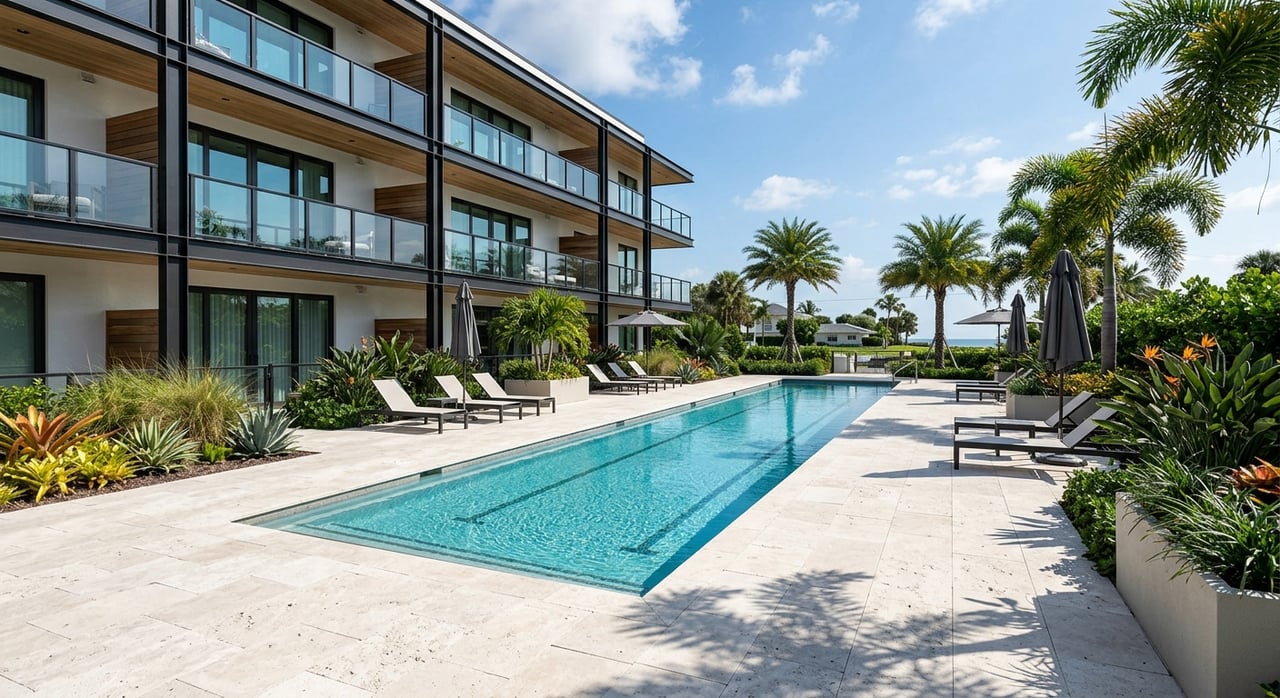
Siesta Key gives you two very different ways to enjoy island living. You can choose a condo that leans into convenience and shared amenities, or a single-family home that gives you more space and a more private setup.
Current inventory also shows how important condos are on the Key. Research notes show 204 condo listings on Zillow compared with 129 single-family home listings, and Redfin reported 162 condos for sale with a median listing price of $719,000. Across all home types, Redfin’s median sale price on Siesta Key was $924,523 in April 2026.
For many buyers, the first practical difference is price. Current listing examples in the research show Siesta Key condos ranging from about $380,000 and $420,000 up to $3 million and $5 million, while detached homes in the same snapshot started much higher, with examples at $1.795 million, $2.4 million, $3.49 million, $9.5 million, and $18.9 million.
That does not mean every condo is affordable or every house is ultra-luxury. It does mean condos usually offer the lower-cost way onto the Key, while detached homes are more often a premium-location, premium-lot purchase. In a market like Siesta Key, that distinction matters.
If you want a more lock-and-leave lifestyle, a condo may feel easier to manage. Under Florida condo law, the association is responsible for maintaining common elements unless the declaration assigns certain limited common-element duties to owners.
That shared structure can reduce the hands-on work you handle personally. It can also mean you have less control over changes to shared areas, because material alterations or substantial additions to common elements usually require authority in the declaration or, if the declaration is silent, approval by 75% of total voting interests.
In a condo, the building itself is part of the buying decision. Florida rules also state that owners may not do anything in their unit or on common elements that would adversely affect the safety or soundness of association property.
That is why reviewing the declaration, bylaws, rules, and financials is so important. What looks simple from the outside can involve meaningful limits on renovations, use, and future costs.
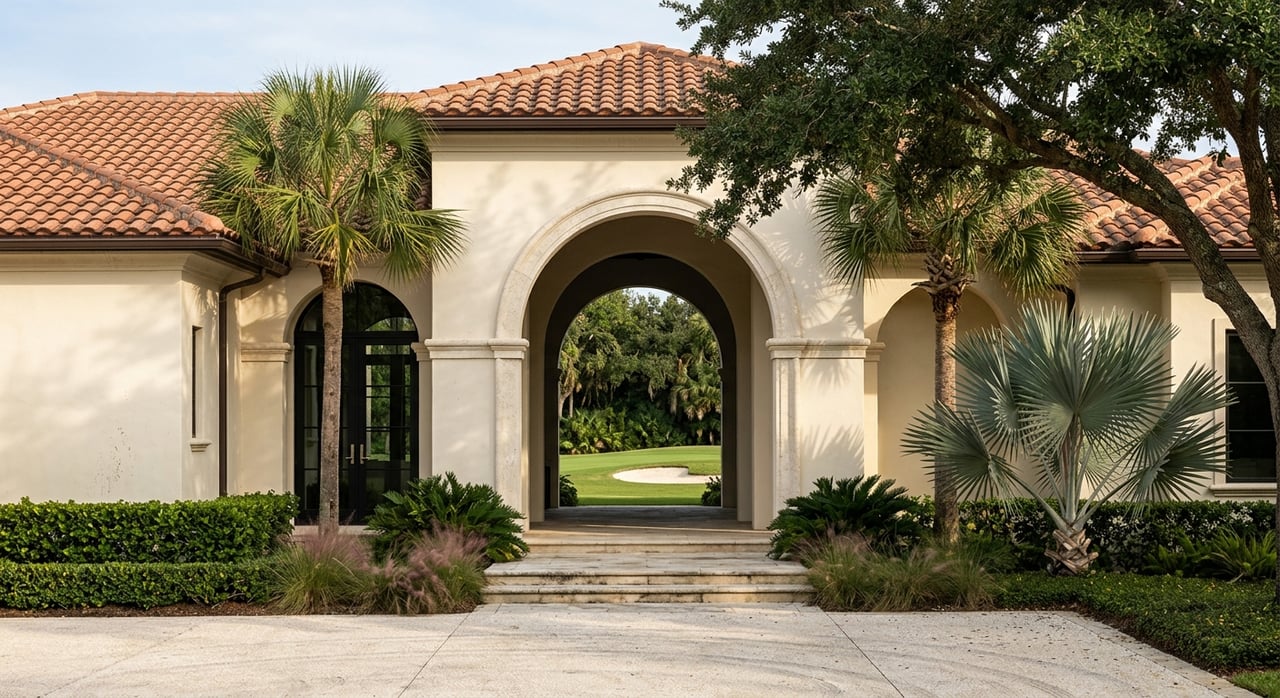
A single-family home is often more straightforward from an ownership standpoint. You usually have more direct control over the home and lot, which can be appealing if you want privacy, a pool, a dock, or room to customize the property over time.
That said, a house is not always rule-free. Florida HOA law still applies in many subdivision communities, including rules around assessments, official records, architectural controls, and use of common facilities. In other words, a house often gives you more freedom than a condo, but you still need to review any community restrictions carefully.
For condo buyers, building condition and reserve funding are front and center. Florida’s condo guidance says a Structural Integrity Reserve Study is a visual study of future repair and replacement needs that includes a reserve funding plan, and qualifying residential condos must complete it at least every 10 years.
The same guidance says that if a milestone inspection is required on or before December 31, 2026, the SIRS may be completed at the same time, but not after December 31, 2026. The state also warns that waiving reserves can expose owners to unanticipated special assessments.
A condo that is well maintained, financially prepared, and compliant with current rules may be easier to resell than one facing major deferred maintenance or weak reserves. That does not automatically make condos risky. It means buyers on Siesta Key should look beyond the unit and understand the health of the building.
This is one area where careful due diligence can protect both your lifestyle and your future resale position. On a barrier island, that extra review is simply part of buying wisely.
If rental income or part-time use is part of your plan, zoning matters. Sarasota County’s rental guide states that in RSF zoning, all leases must be at least 30 days and short-term rental use is not allowed.
The same county guide says that on the barrier islands, including Siesta Key, RMF districts may allow leases under 30 days and short-term rental use is allowed. That creates a very different landscape for buyers comparing condos and houses.
Even when county zoning allows short-term use, a specific condo building can still set tighter rules. Florida condo law provides that associations operate through their recorded declaration, bylaws, and current rules, and those records can include rental caps, minimum stay requirements, approval procedures, or other use restrictions.
So if you are shopping for flexibility, do not stop at zoning. You need both the county rules and the building documents to line up with your plan.
For many buyers, this becomes a deciding factor. Siesta Key condos often provide the better chance of rental flexibility, but only when both the zoning and the condo documents support that use.
By contrast, a typical RSF single-family home on the Key is much less likely to fit a short-stay rental strategy. If your plan includes seasonal occupancy with occasional short-term rental use, condos may deserve the first look.
Siesta Key is known for a beach-first lifestyle. Visit Sarasota County describes Siesta Key Village as the island’s walkable social hub with cafes, boutiques, and nightlife, while the south end near Turtle Beach offers a more natural setting for shelling, fishing, and kayaking.
That setting makes condos especially appealing for buyers who want easier access to the beach, a simpler ownership routine, and a property that is easy to lock and leave. If you travel often or plan to use the property seasonally, a condo can match that rhythm well.
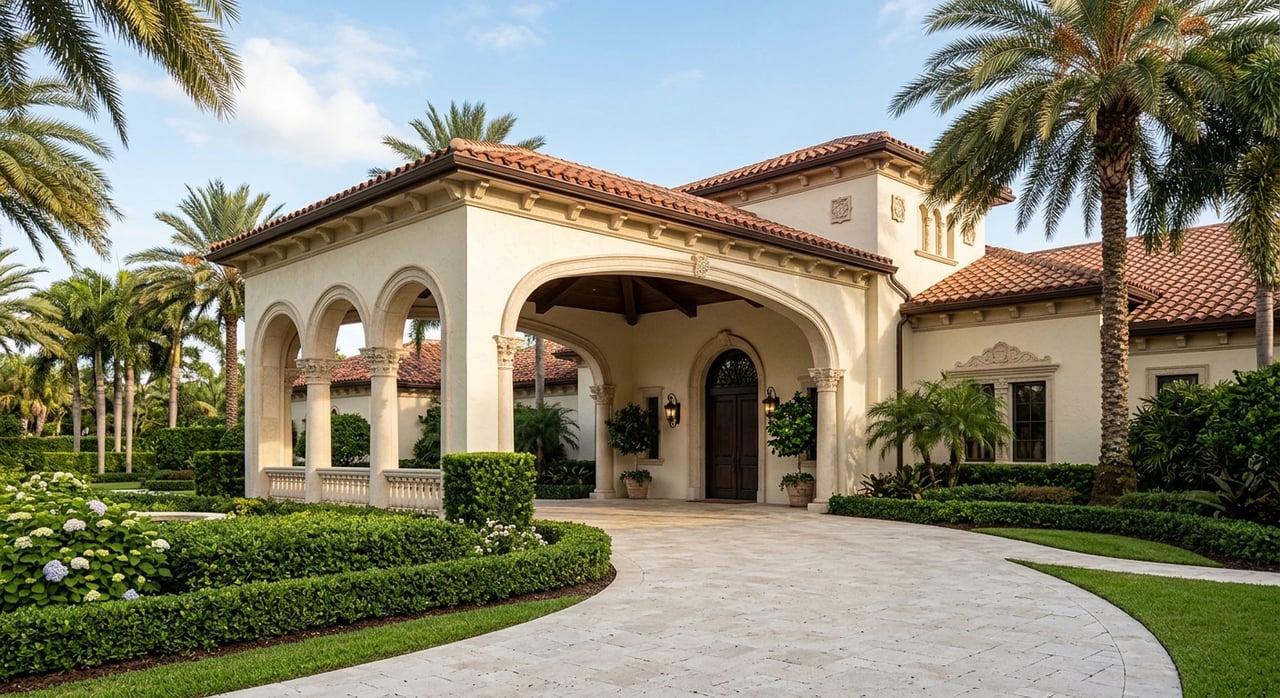
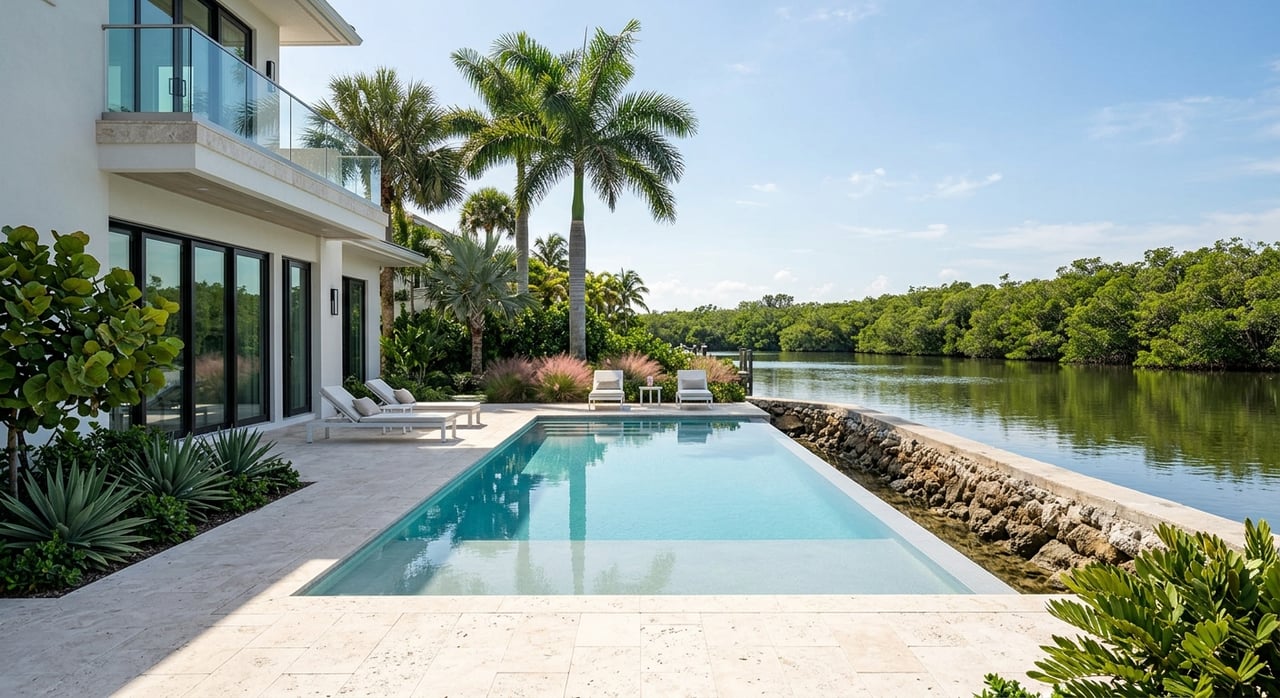
A house often suits a different kind of island life. If you picture more privacy, a larger lot, a private pool, a dock, canal frontage, or greater freedom to tailor the property to your preferences, a single-family home may feel more aligned.
That can be especially true if you plan to live on Siesta Key full time. More direct control and separation from shared building decisions can be a major advantage for buyers who want a more independent setup.
If you are still weighing both options, start with how you plan to use the property most of the time. The simplest rule from the research is this: if your plan is seasonal use, frequent travel, or minimal upkeep, a condo often fits better.
If your plan is full-time occupancy, more privacy, and more direct control over the property, a house often fits better. Neither option is better in the abstract. The better choice is the one that matches your daily life, your budget, and your long-term goals on Siesta Key.
Before you choose between a Siesta Key condo and a home, focus on a few practical questions:
When you answer those questions honestly, the right property type usually becomes much clearer.
If you want help comparing specific buildings, neighborhoods, or home opportunities on Siesta Key, The VanDuren Group offers principal-led, white-glove guidance tailored to how you plan to live.

Real Estate Professional
Sheryl VanDuren is a top luxury real estate specialist serving Wellen Park, Lakewood Ranch, and Sarasota’s surrounding areas. With eight years of experience and recognition among Coldwell Banker's Top 3% Global Realtors, she provides expert guidance and a stress-free buying or selling experience. Her background in home staging and deep local knowledge make her a trusted resource for clients. When not helping buyers and sellers, she enjoys spin biking, interior design, and community involvement.
Stay up to date on the latest real estate trends.


Looking to buy, sell, or just have a question? We are always available to help and would love to work with you. Contact us today to find out how we can be of assistance to you!